
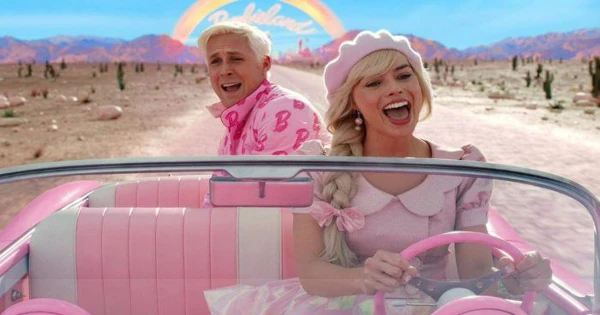
Warner Bros. is racing against the clock to secure a deal for the highly anticipated Barbie sequel, with negotiations reportedly stalled over salary demands from stars Margot Robbie and Ryan Gosling. According to Variety and confirmed by a Warner Bros. statement, the studio has until December 2026 to finalize agreements with the key creative team, or the film rights will revert to Mattel, the toy company that owns the Barbie brand .
The core of the dispute centers on financial terms for the sequel to the 2023 blockbuster, which grossed over $1.4 billion worldwide and earned eight Academy Award nominations . Warner Bros. Discovery CEO David Zaslav has reportedly been hesitant to approve the larger pay packages and profit-participation deals sought by Robbie, Gosling, and director Greta Gerwig . According to *The New York Times*, Gosling is seeking a salary of around $20 million for his return as Ken, a significant increase from the $12.5 million he earned for the first film .
A Warner Bros. spokesperson disputed parts of the report, telling The New York Times that the studio made a series of offers to the lead actors, the most recent of which was declined in May, with no counteroffer submitted by the talent's representatives . In a joint statement, Warner Bros. Motion Picture Group co-chairs Pam Abdy and Michael De Luca confirmed the impasse: "We have a rights deal with Mattel in place and have made a series of big offers to try and finalize deals to make the next 'Barbie' film. Unfortunately, we have been unable to reach an agreement thus far" .

Unlike typical franchise productions, Warner Bros. did not secure sequel commitments from Robbie or Gosling when they were originally cast. This was reportedly a strategic move to land Gerwig as director after the project had experienced years of development delays . Gerwig and her writing partner (and husband) Noah Baumbach are said to have a story idea for the sequel, but they are withholding it from the studio until their own contracts are finalized .
The December deadline adds significant pressure. If Warner Bros. fails to reach an agreement with the principal talent by then, the rights will revert to Mattel. In that scenario, the toy giant would be free to redevelop the intellectual property with a new filmmaker, new cast, and a new concept, potentially without any involvement from the team behind the original phenomenon .
Why this matters
The standoff highlights a growing trend in Hollywood where franchise stars leverage the success of a breakout hit to negotiate massive backend deals, especially when they were not contractually bound to sequels from the start. The outcome of these negotiations will not only determine the future of one of the most lucrative film franchises but could also set a new precedent for how studios structure deals for potential blockbusters. With production of a potential sequel likely years away, fans may have to wait until 2029 or 2030 to see Barbie and Ken on the big screen again, if they return at all .