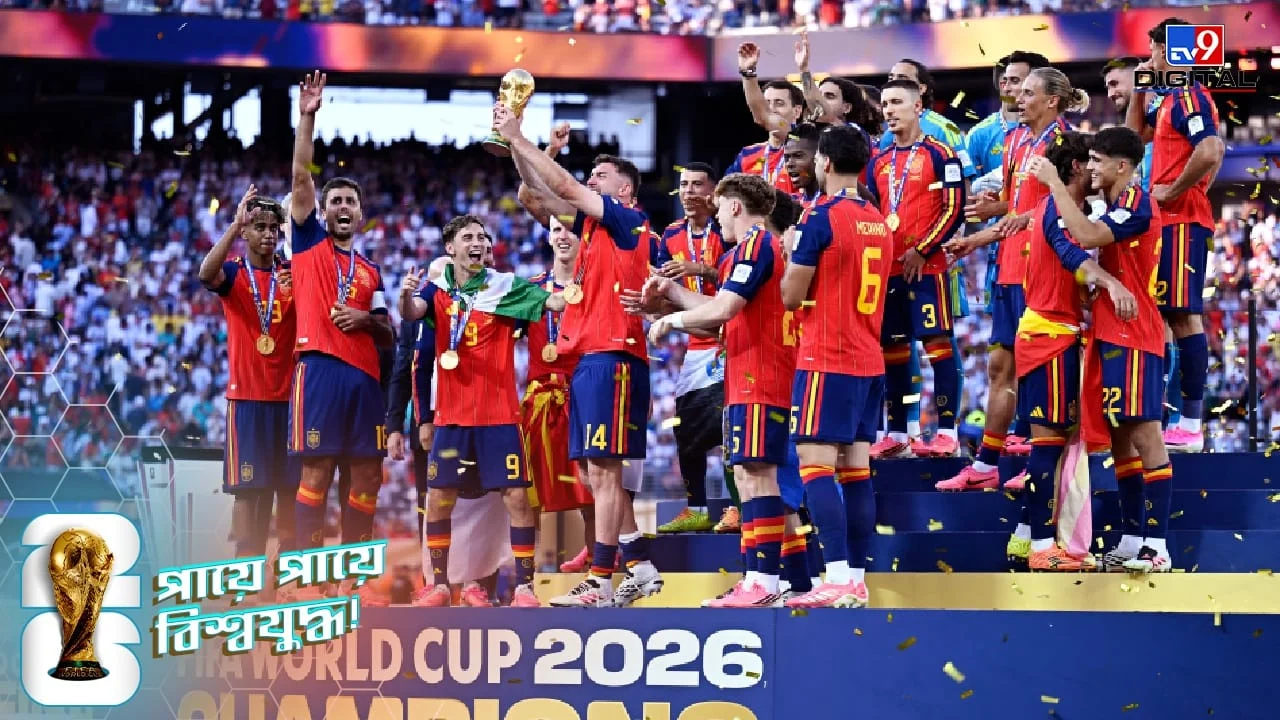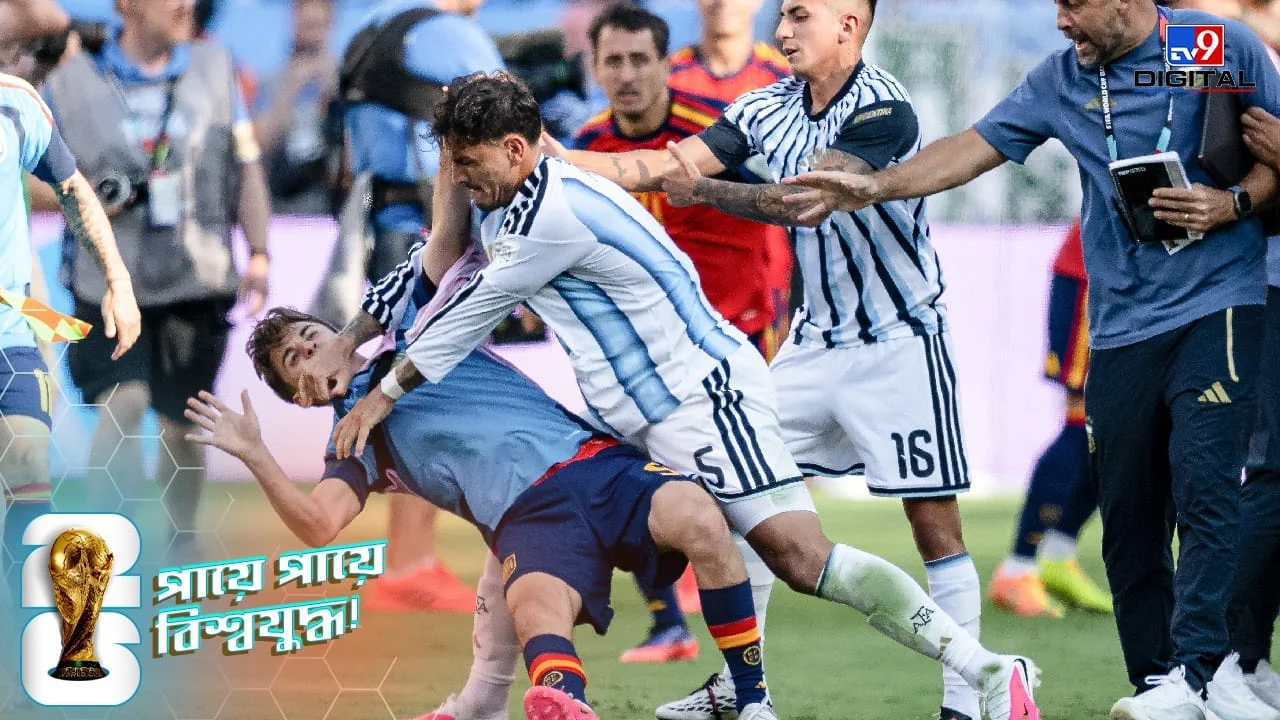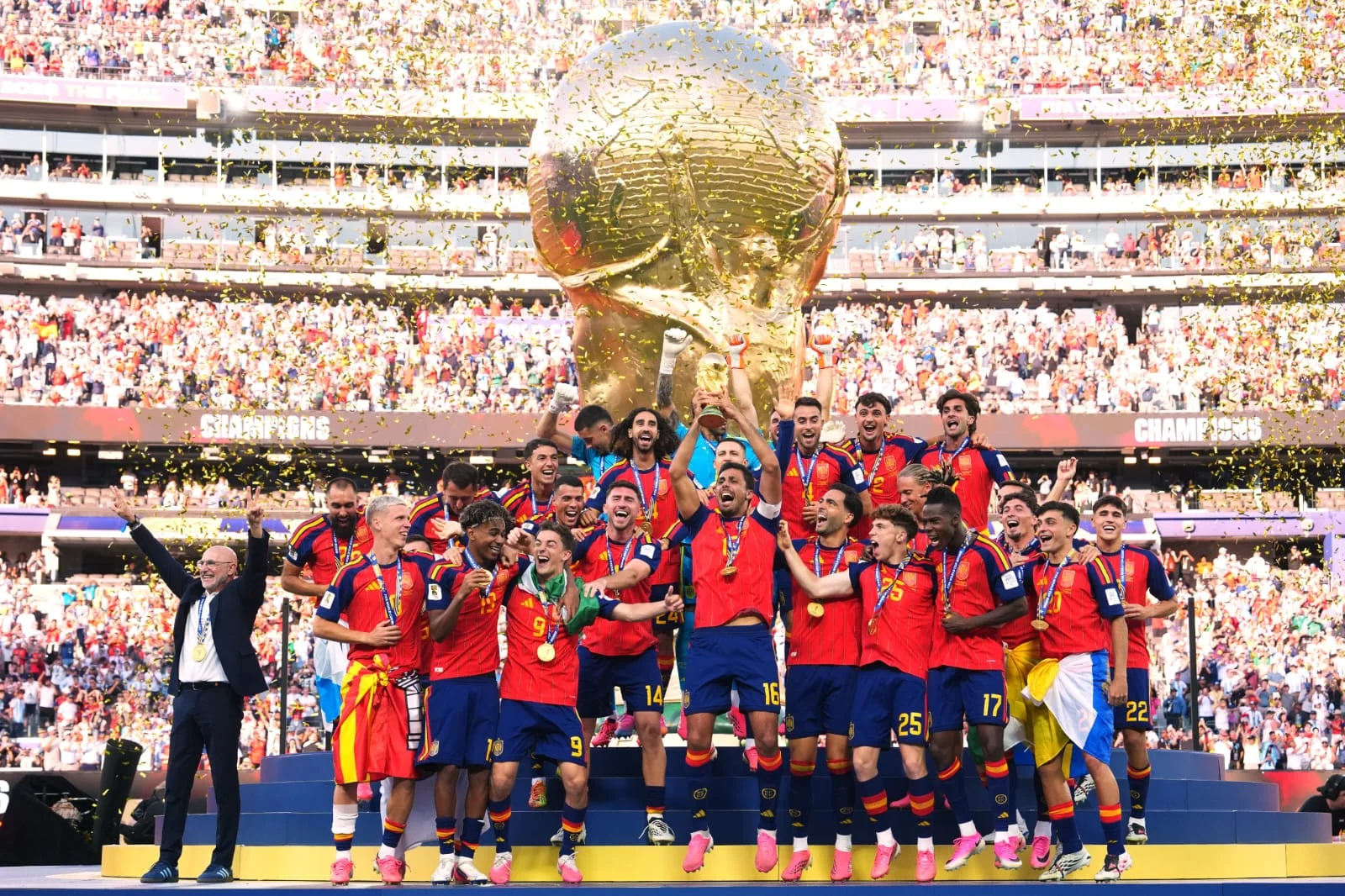


The 2026 FIFA World Cup final between Spain and Argentina, scheduled for next Sunday in New Jersey, will feature an unprecedented 30-minute halftime show, doubling the usual 15-minute break. According to TV9 Bangla, FIFA will host a nearly 11-minute musical performance including global artists like Madonna, Shakira, BTS, Justin Bieber, Berna Boy, Gustavo Dudamel, and the PS22 Chorus, with Coldplay's Chris Martin involved in the production.
This marks the first time FIFA is organizing such an extensive halftime entertainment segment at the World Cup final. FIFA claims the event aims to promote the FIFA Global Citizen Education Fund, and the extended halftime is necessary to set up the stage, accommodate performances, and dismantle the setup before the second half resumes.
However, the decision has sparked controversy. According to International Football Association Board (IFAB) Law 7, the maximum standard halftime duration in a football match is 15 minutes, although organizers can adjust it depending on the competition. Critics argue that the prolonged break risks disrupting the game's flow and could cause players to cool down, necessitating additional warm-up sessions before the second half.
Concerns have also been raised about FIFA prioritizing entertainment and commercial interests over football's traditional spirit. Many question the need for such a large-scale show when a grand closing ceremony is already planned before the match starts.
FIFA has previously experimented with extended halftime entertainment, notably during the 2025 FIFA Club World Cup final, where halftime was stretched to 24 minutes for a concert. The 2026 World Cup final’s halftime show at the New Jersey stadium presents an even bigger logistical challenge, aiming to blend world-class football stars with international performers to elevate the final into a grand spectacle.
Why this matters
The extended halftime show reflects the growing commercialization and entertainment-driven approach in global football events, which may alter the traditional viewing experience. It raises important questions about maintaining the balance between sport and entertainment, and how such decisions impact players’ performance and fan engagement.
As football continues to evolve, the 2026 World Cup final could set a precedent for future tournaments on how halftime is managed and what role entertainment should play.
Ultimately, while FIFA’s initiative seeks to create a larger global event, the backlash highlights the ongoing tension between preserving football’s heritage and embracing modern spectacle.