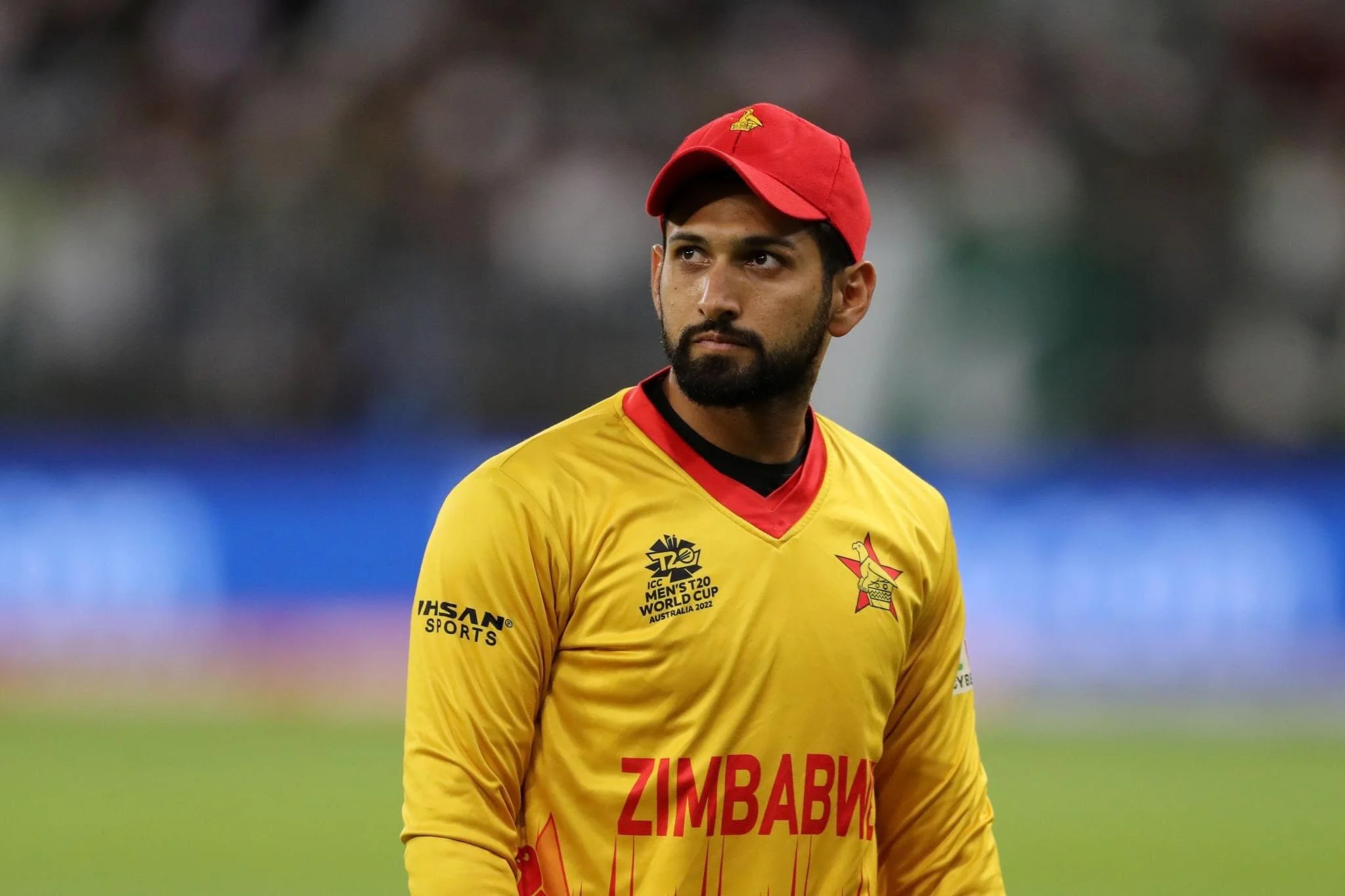


The International Cricket Council (ICC) has imposed a three-month suspension on Pakistan allrounder Mohammad Nawaz after he tested positive for a banned substance, RevSportz reported. The violation occurred following a doping test conducted after Pakistan's T20 World Cup match against the Netherlands in Colombo.
Nawaz, 32, was found to have Carboxy-THC, a prohibited substance under the ICC Anti-Doping Code, in his system. He accepted responsibility for the breach and agreed to participate in a substance abuse treatment program. The ICC has backdated the suspension to May 1, 2026, coinciding with when Nawaz began his voluntary provisional suspension.
Having already served two and a half months of suspension, the remaining ban is set to be reduced to one month upon successful completion of the treatment program. The ICC clarified in an official statement that Nawaz used the substance out-of-competition and in a manner unrelated to enhancing sports performance.
"Nawaz admitted the offence and demonstrated that the substance had been used out-of-competition and in a manner unrelated to sport performance," the ICC said. Additionally, all match records from the February 7 game against the Netherlands and subsequent matches until May 1, 2026, have been invalidated as per the Anti-Doping Code.
As of now, the Pakistan Cricket Board (PCB) has not issued any official remarks regarding Nawaz's suspension.
Why this matters
This suspension highlights the ICC's stringent stance against doping in cricket, emphasizing the importance of clean sport. Nawaz's case underscores ongoing challenges with substance abuse in professional sports and the mechanisms in place to address such violations. The incident could also impact Pakistan's team composition and performance in upcoming fixtures.
Mohammad Nawaz's ban serves as a reminder to athletes about compliance with anti-doping regulations and the consequences of violations.