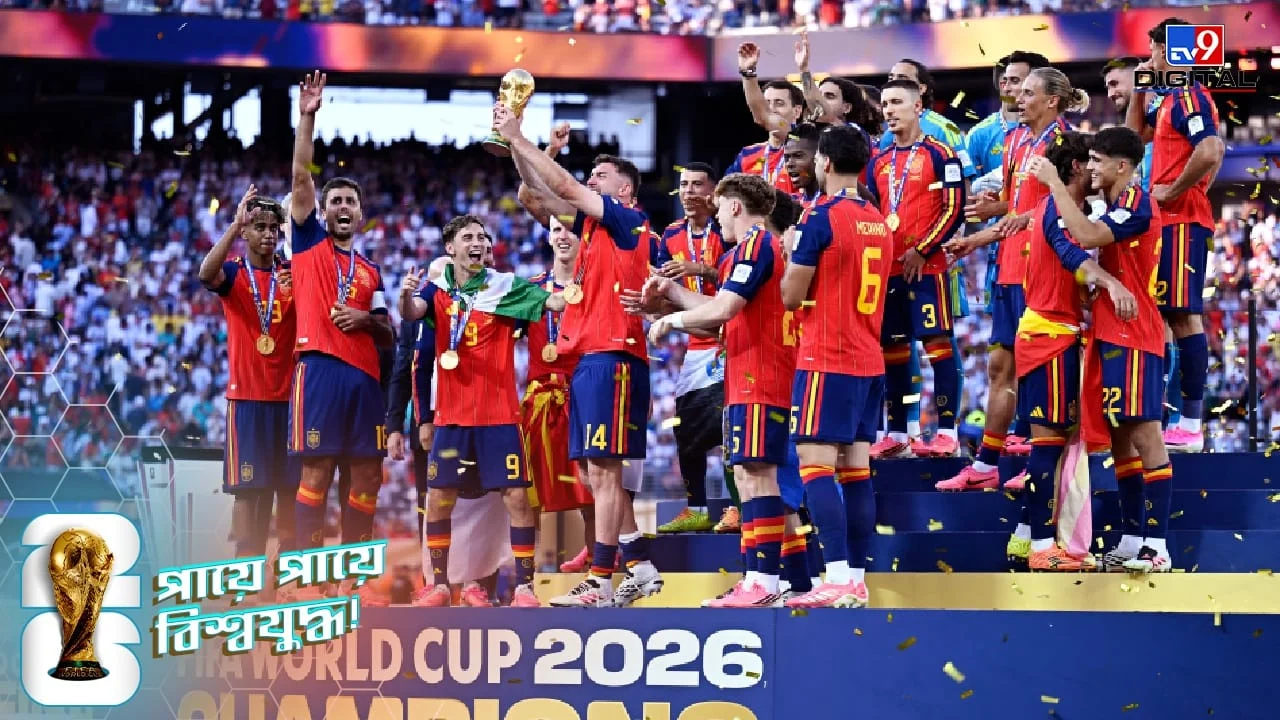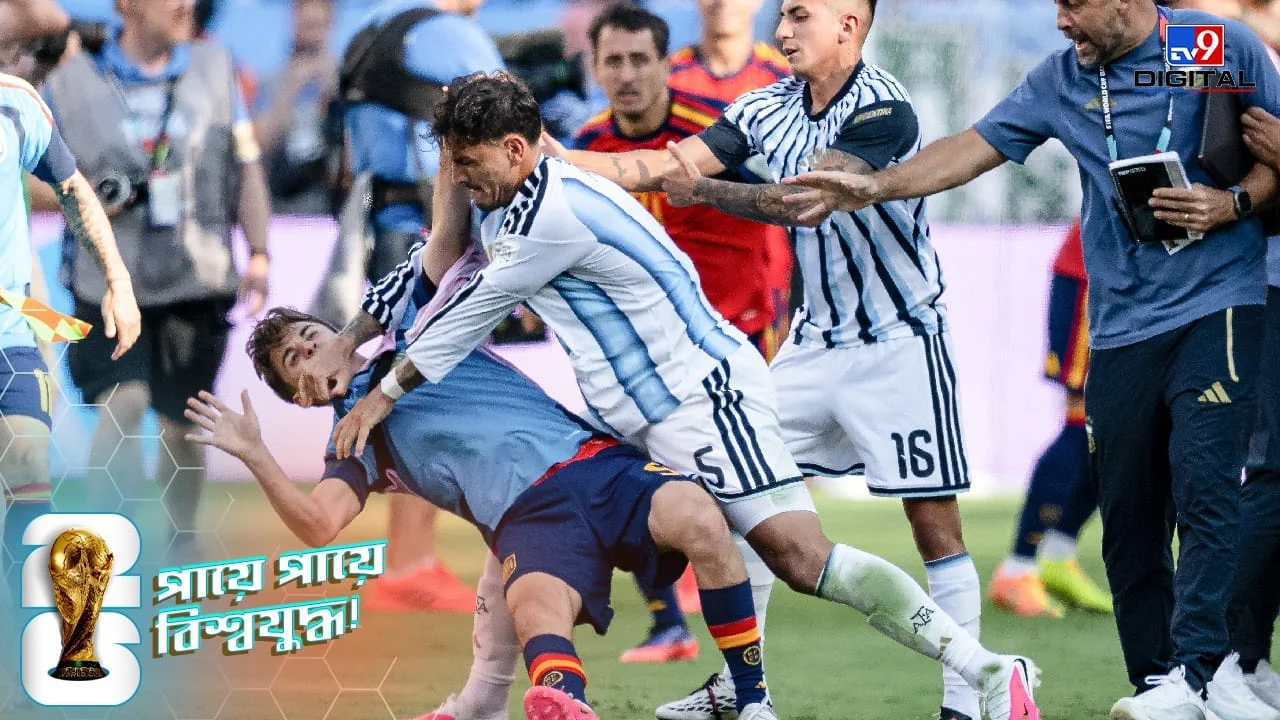

What is the most exciting part of a World Cup final? For most fans, it isn’t one single goal or one star—it’s the stretch of time when everything is on the line at once: the closing minutes of regulation and extra time, when tension, momentum swings, and the possibility of instant legend collide on the sport’s biggest stage. That period, where a lifetime of work comes down to a few chaotic moments, is what turns a World Cup final from a match into a global event remembered for generations.[bbc]
Why the World Cup Final Feels Different
A World Cup final is not just another soccer game; it’s the culmination of four years of anticipation and decades of national sporting history. Every pass, tackle, and chance carries the weight of a country’s expectations, and that emotional pressure is what makes the match feel fundamentally different from even the biggest club fixtures.[bbc]
The stakes are simple and absolute: win, and a team is immortalized; lose, and a generation of players must live with what might have been. That clarity fuels a specific kind of drama—one where the crowd senses that any misstep could instantly become a defining moment in football history.[foxsports]

The Most Exciting Part: When Everything Turns
When fans talk about the “most exciting part of the World Cup final,” they’re usually describing one of three overlapping phases that often blur into a single emotional roller coaster:
-
The final 15–20 minutes of regulation.
-
Extra time, when exhaustion and desperation peak.
-
Penalty kicks, if the game remains tied.
These phases share a common feature: at any given second, the entire story can change. A team that looked destined to win can suddenly be chasing the game; a player who seemed invisible can become a national hero—or villain—with one touch of the ball.[bleacherreport]
The Closing Minutes of Regulation
The last stretch of regulation time is often where tension becomes palpable. At this point:
-
Coaches have played most of their tactical cards.
-
Players are fighting fatigue while trying to stay precise.
-
The scoreboard dictates risk: one side protects, the other pushes.[foxsports]
In many famous finals, late goals or near-misses in this window have defined how the match is remembered. A team trying to hold a narrow lead drops deeper, inviting pressure, while the trailing side commits full-backs forward, accepts defensive exposure, and treats every attack as potentially their last meaningful moment.[bleacherreport]
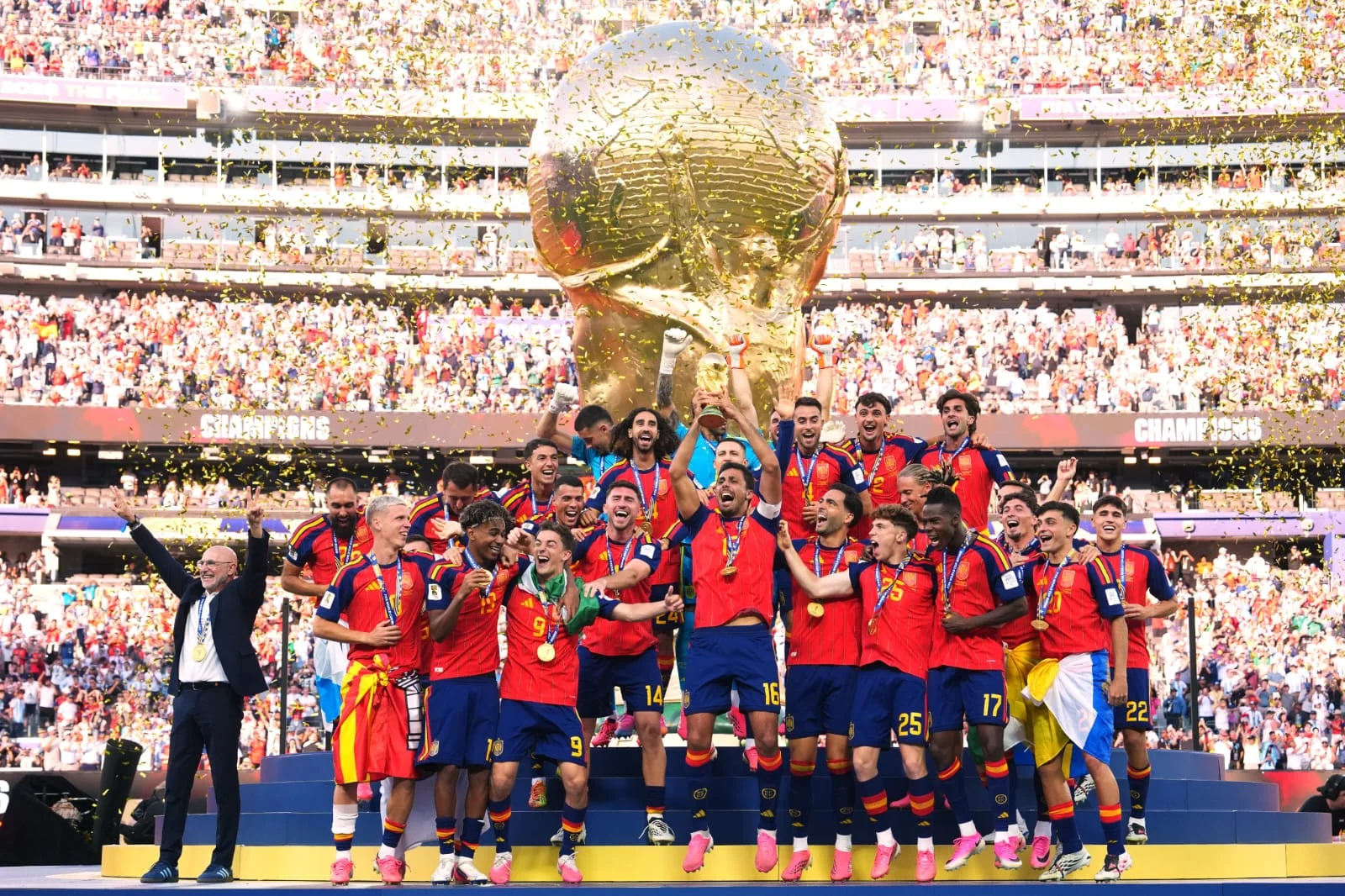
For fans, this is where the soundtrack of the match changes. The noise from the stands takes on a different tone—less celebration, more pleading—and even neutrals watching on TV feel the sense that history is trying to write itself in real time.[townandcountrymag]
Extra Time: Exhaustion Meets Destiny
When a World Cup final goes beyond 90 minutes, the drama takes on a different texture. Extra time is the most exciting part for many viewers because the physical and mental fatigue is obvious, but the pressure doesn’t drop; it intensifies.[bbc]
Several timeless finals have hinged on extra-time goals that arrived just as the game felt like it might drift to penalties. Extra time often features:[bbc]
-
Cramped legs and tired minds, leading to both mistakes and moments of genius.
-
Substitutes who suddenly become decisive because they’re fresher.
-
Stretching defenses and more open spaces as concentration falters.[foxsports]
What makes this uniquely gripping is the sense that every player knows there may not be another chance. A missed shot in extra time doesn’t feel like “one of many”; it feels like the moment that might haunt a career.[bleacherreport]
Penalty Shootouts: The Ultimate Spotlight
If the match remains tied, penalties condense all the drama of a World Cup final into a sequence of isolated duels between taker and goalkeeper. Some fans find this the most exciting part; others experience it as pure dread. Either way, it is hard to argue that any component of the final is more emotionally intense.[bbc]
Penalty shootouts in World Cup finals have produced:
-
Iconic celebrations when a winning kick hits the net.
-
Heartbreaking misses that become part of a nation’s sporting identity.
-
Goalkeepers who turn into instant legends with a single save.[bbc]
Because penalties strip away tactics and reduce the game to nerve and technique, they feel brutally fair and brutally unforgiving at the same time. The entire tournament—weeks of matches, years of qualifying, decades of development—can hinge on whether one player keeps a shot inside the post.[foxsports]
Momentum Swings: Why Fans Remember “Runs” More Than Minutes
Another reason the most exciting part of a World Cup final is hard to pin down to a clock is that fans tend to remember momentum swings rather than specific timestamps. These swings often cluster late in the match, when coaches make aggressive substitutions and players respond to the changing scoreboard.[townandcountrymag]
Some of the most replayed moments in World Cup history come from short bursts of play that flip the narrative:
-
An equalizer that stuns the favored team.
-
A counterattacking goal against the run of play.
-
A rapid sequence of chances at both ends.[foxsports]
Even when analysts later break down these periods with data, fans usually describe them emotionally—“that crazy five minutes,” “that spell where it felt like anything could happen”—rather than with technical detail. That emotional memory is what makes the “most exciting part” different for every viewer, even when they watched the same match.[townandcountrymag]
The Human Element: Stars Under Maximum Pressure
Another constant in World Cup finals is the presence of players who carry disproportionate expectation. The most exciting part of the match often coincides with the moments when those stars are forced to respond.[britannica]
Deep into a tight final, a key playmaker might demand the ball repeatedly, trying to impose order on chaos. A striker who’s been quiet may suddenly find space as defenders tire. A captain might take responsibility for a crucial set piece, knowing that the outcome could define how their entire career is remembered.[bleacherreport]
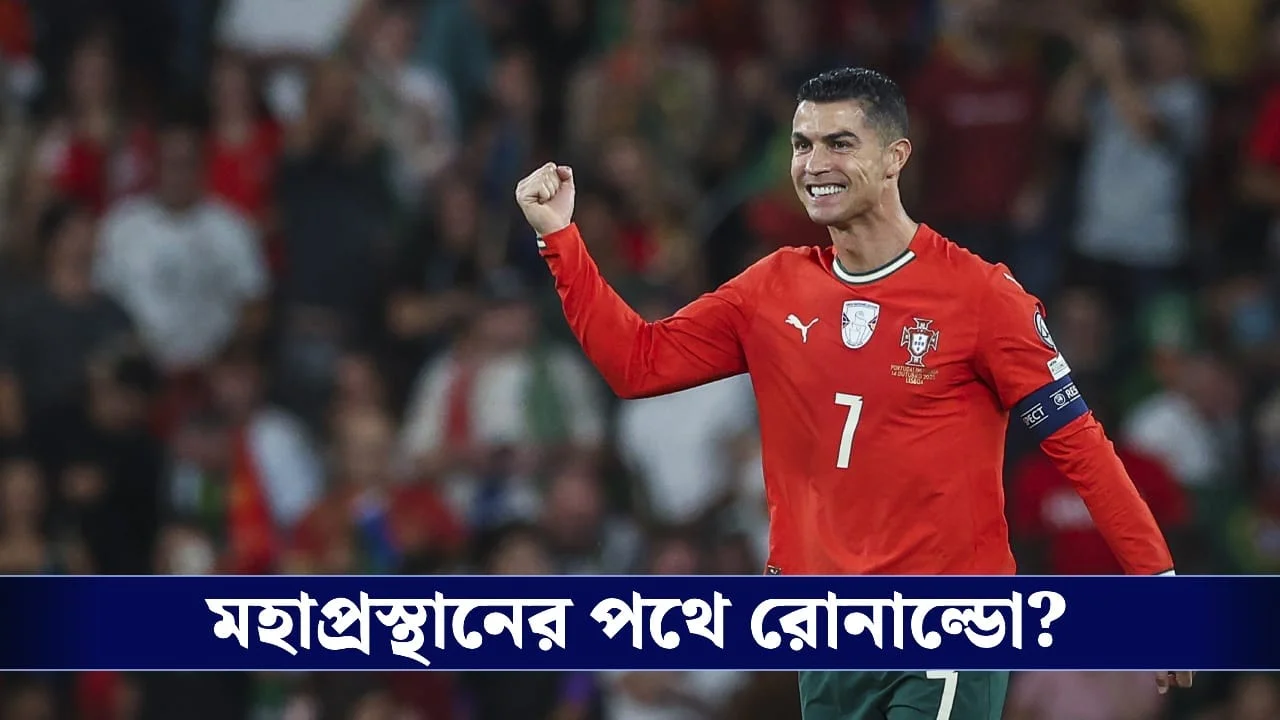
From a viewer’s perspective, there’s a particular thrill in seeing how great players react when there is no safety net. The World Cup final’s most intense phases reveal which stars can still think clearly and execute under the harshest spotlight in sports.[townandcountrymag]
Why This Question Matters to Fans
On the surface, “What is the most exciting part of the World Cup final?” sounds like a simple preference question. In practice, it taps into how people experience sports emotionally.[townandcountrymag]
For some, the excitement peaks at kickoff, when the stadium erupts and the tactical shape becomes clear. For others, the thrill builds slowly and only truly explodes in the last half hour, once everything that happened earlier has narrowed the possibilities down to a few remaining paths.[bbc]
What most fans share is an instinctive understanding that the World Cup final is structured like a story. Early passages set tone and context; middle phases raise questions and create conflict; the closing chapters provide resolution. The most exciting part is whichever chapter feels like the turning point—the moment when the outcome shifts from uncertain to inevitable, even if it still takes a few minutes to become official.[townandcountrymag]
How to Get the Most Out of Watching a Final
For viewers trying to fully appreciate the World Cup final’s most exciting parts, a few practical habits help:
-
Pay attention to tactical shifts: When a team changes formation or throws on extra attackers, it often signals that the match is entering a new, more aggressive phase.[foxsports]
-
Notice body language: Fatigue, frustration, and confidence are visible, especially late in games. Those cues often foreshadow momentum swings.[townandcountrymag]
-
Watch off the ball: The most dramatic moments often begin with a subtle run or a defender’s lapse before the camera zooms in on the goalmouth action.[foxsports]
Understanding these layers doesn’t diminish the emotional thrill; it amplifies it. The most exciting part of the World Cup final becomes richer when you can see both the chaos and the underlying logic that produce it.[bbc]
Common Misconceptions About “Excitement” in Finals
Many fans and commentators fall into a few predictable misconceptions:
-
Equating high scores with excitement: Some of the tensest finals have been low-scoring, with drama rooted in missed chances and defensive resilience rather than a flood of goals.[bbc]
-
Assuming penalties are “just a lottery”: While luck plays a role, preparation, psychology, and technique all influence outcomes in predictable ways.[bleacherreport]
-
Viewing early minutes as disposable: Tactical feel-out periods can include small adjustments that later shape how the most exciting phases unfold.[foxsports]
Recognizing these misconceptions helps explain why different fans choose different “favorite parts” of the same final. One person may value tactical tension; another may only remember the explosion of emotion around goals.[townandcountrymag]
FAQ: World Cup Final Drama
Q: Is the most exciting part of the World Cup final always the penalty shootout?
Not necessarily. Some finals never reach penalties, yet still deliver intense drama through late goals, extra-time breakthroughs, or sudden momentum swings.[bbc]
Q: Why do extra-time periods feel different from regular time?
Extra time combines visible fatigue with unchanged stakes: players are more tired, substitutions are mostly exhausted, but the requirement to perform perfectly remains. That contrast creates a unique kind of tension.[bbc]
Q: Do neutral fans experience the “most exciting part” differently than supporters of the teams involved?
Yes. Neutral viewers often focus on pure spectacle—goals, skills, wild swings—while invested fans feel excitement mixed with anxiety and fear of disappointment.[townandcountrymag]
Key Takeaways and Next Steps for Fans
The most exciting part of the World Cup final is rarely a single moment on a game clock; it’s the stretch where tension, risk, and possibility converge—usually late in regulation, in extra time, or during a penalty shootout. That is when narratives flip, stars are tested, and small decisions carry giant consequences.[bbc]
For fans in the United States and around the world, understanding why that phase feels so electric can deepen future viewing experiences. When the next World Cup final arrives, pay close attention to how the match’s rhythm changes as it approaches its decisive stages—because somewhere in that shifting tempo lies the part everyone will still be talking about years later.[townandcountrymag]