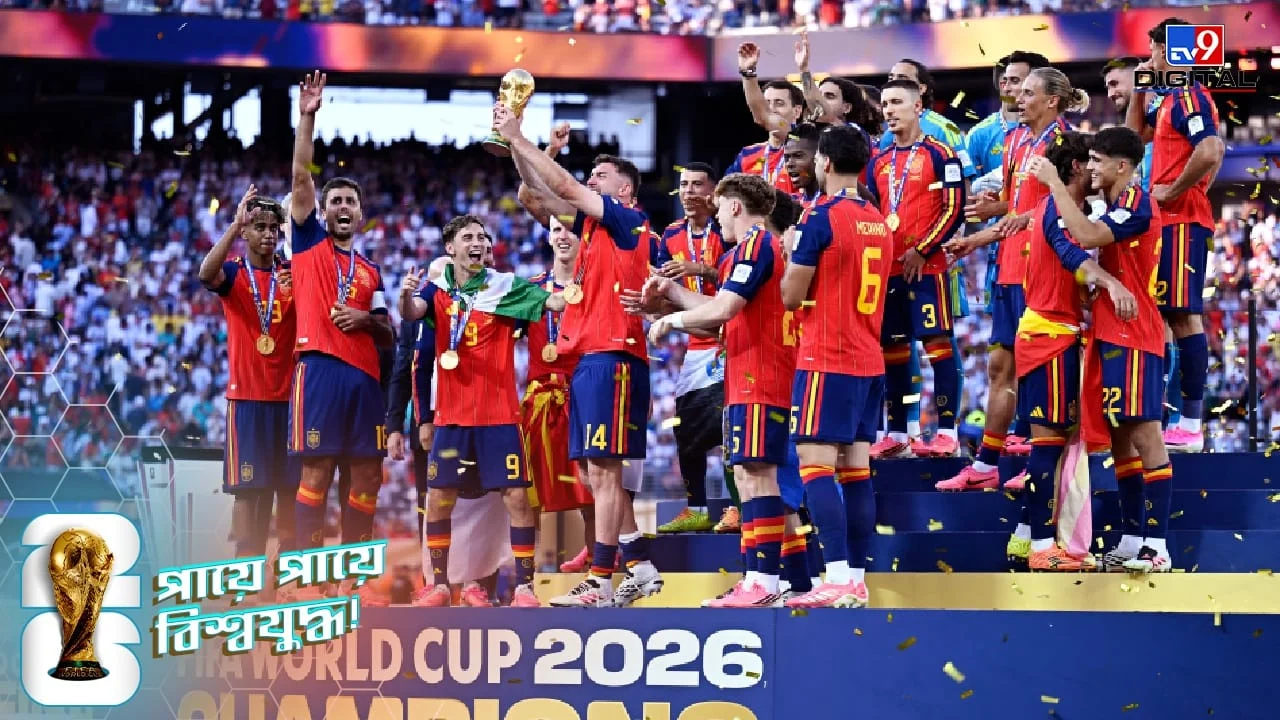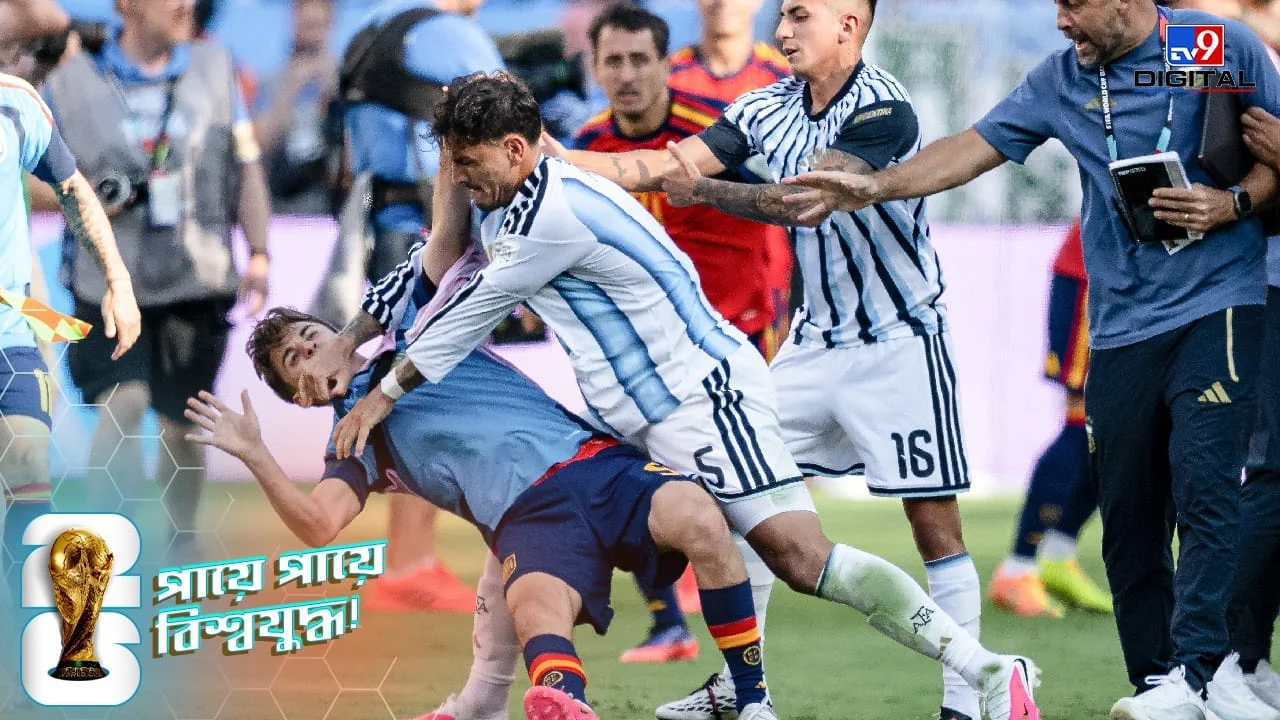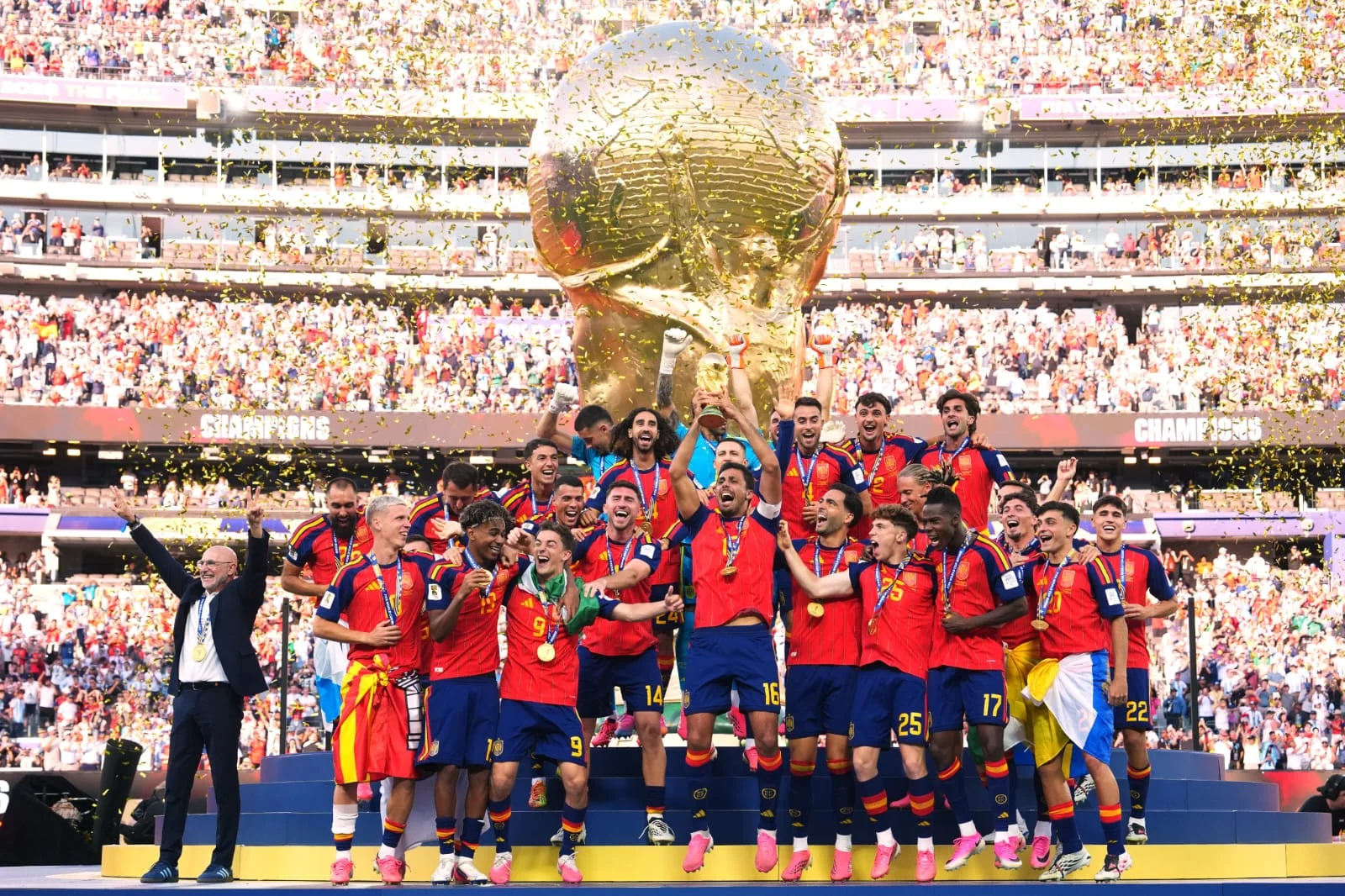

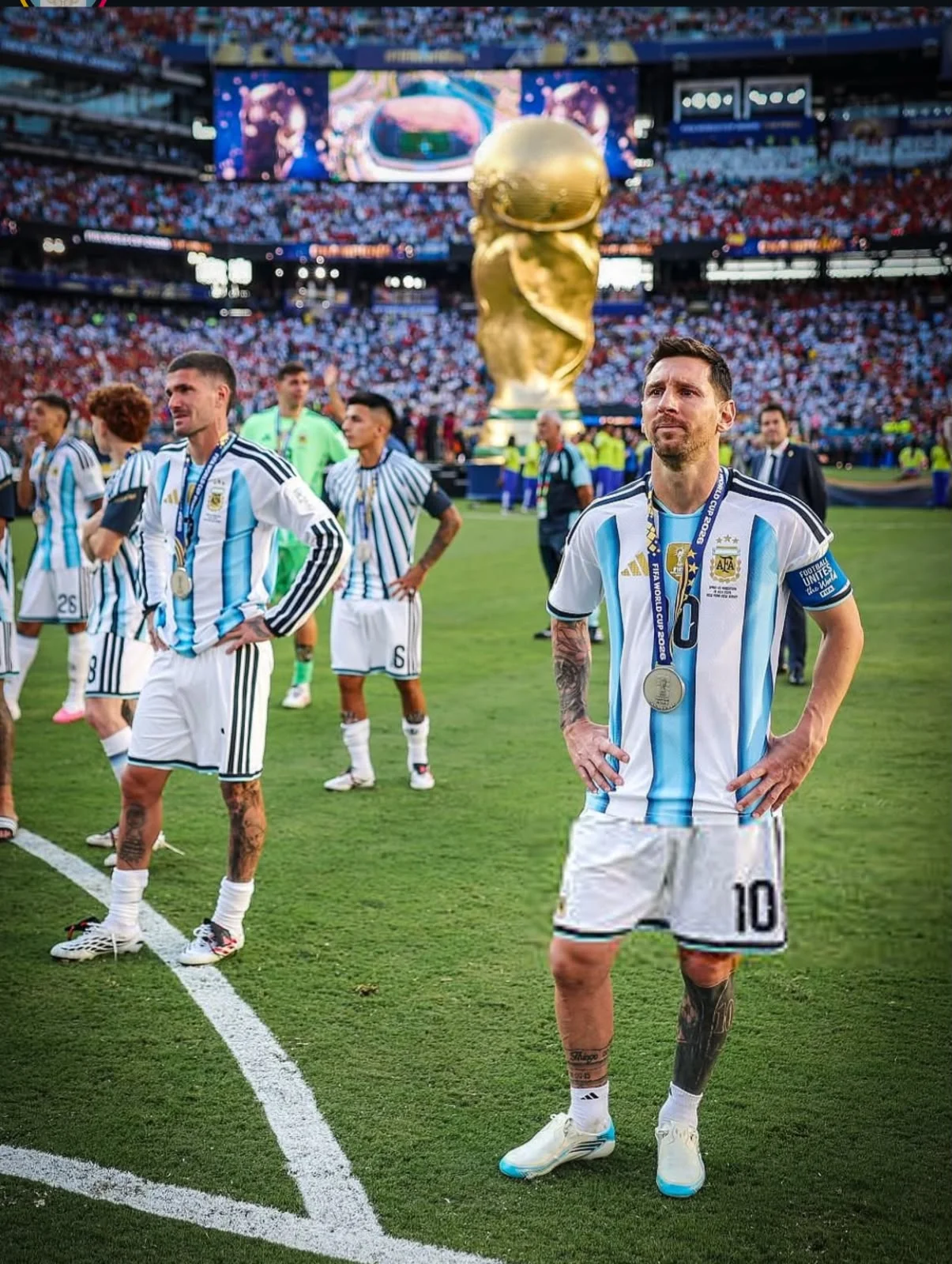
During the intense Argentina versus Spain clash, Lionel Messi, despite a stellar World Cup run with eight goals and four assists at 39, stood out for his dignity amid unsportsmanlike conduct by teammates. According to RevSportz, the match's closing moments were marred by Enzo Fernández’s second yellow card and Leandro Paredes’ post-match altercation with celebrating Spanish players.
The incident involving Paredes evoked memories of Argentina's turbulent football history, as detailed in Jonathan Wilson’s book Angels with Dirty Faces, highlighting the sport’s duality in the nation. Argentine football once epitomized elegance with teams like River Plate’s La Máquina in the 1940s, featuring legends such as Adolfo Pedernera and Alfredo Di Stéfano, promoting a style called la nuestra ('our way').
However, political shifts in the 1950s introduced a more aggressive and cynical style that came to define Argentine teams during the 1960s Intercontinental Cup matches. These games often devolved into violent encounters, with Argentine squads, including Racing Club and Estudiantes de La Plata, frequently involved in rough tactics and physical confrontations against European champions like Celtic, Manchester United, and AC Milan.
Lionel Messi Hints at Retirement from International Football Ahead of 2026 FIFA World Cup Final

In the 1969 match against AC Milan, Estudiantes players were notorious for severe fouls that left Pierino Prati unconscious and Néstor Combin with serious facial injuries. The recent behavior of Paredes after the whistle reflects this darker aspect of Argentine football history, a reminder of actions that have no place in modern sportsmanship.
The match itself was fraught with tension, with Argentina displaying aggressive tactics throughout the 90 minutes plus extra time. The Slovakian referee’s reluctance to issue early cards arguably emboldened the players’ rough play, culminating in Fernández’s sending off late in the game.
Despite the chaos, Messi exemplified professionalism by personally shaking hands with every Spanish player, showcasing grace under pressure. This conduct contrasts sharply with the unsavory incidents and offers a model of respect for Argentine football moving forward.
Why this matters
This match highlights the ongoing struggle within Argentine football between its celebrated artistic style and a history of aggressive behavior. Messi’s poise amid conflict serves as a beacon for the sport’s future in Argentina, emphasizing respect and fair play over hostility. Upholding these values is essential for preserving the integrity and global reputation of Argentine football.
In sum, while Argentina’s World Cup campaign ended on a sour note due to disciplinary issues, Lionel Messi’s exemplary sportsmanship remains a defining legacy from the tournament.