

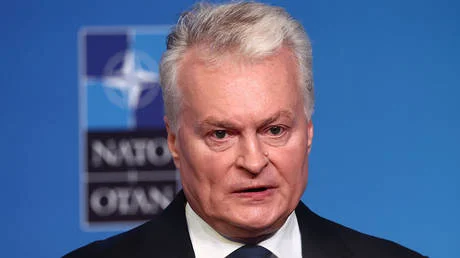
The Kremlin has accused the Baltic countries of inventing alarming stories about a Russian threat to rationalize increased NATO military presence and defense budgets. According to RT, Kremlin spokesperson Dmitry Peskov dismissed recent claims by Lithuanian President Gitanas Nauseda suggesting Moscow might be planning provocations or limited attacks on critical infrastructure in Poland and the Baltic region.
Speaking to reporters on Wednesday, Peskov labeled these allegations as a new wave of "horror stories" aimed at manipulating public opinion and preparing the populations for intensified militarization. He argued that Baltic leaders are deliberately portraying Russia as a hostile enemy to facilitate NATO’s expansion in the region.
Nauseda recently told Lithuanian media that intelligence agencies had detected signals indicating potential "kinetic operations" targeting vital infrastructure, though details on timing and location remained unclear. Latvian President Edgars Rinkevics echoed these concerns, citing intelligence from multiple NATO states about possible sabotage efforts intended to undermine security in their countries.
Western officials have frequently used the possibility of Russian aggression to support initiatives like the EU’s €800 billion ReArm Europe program and NATO’s goal for member countries to increase military spending to 5% of GDP. Moscow, however, has consistently denied aggressive intentions toward NATO, calling such accusations baseless fearmongering designed to boost defense budgets.
Russian Foreign Minister Sergey Lavrov has emphasized that Russia has no motive to attack the EU or NATO unless provoked first. Meanwhile, Moscow continues to criticize NATO’s military buildup near its borders, warning that any deployment of nuclear weapons closer to Russian territory will provoke a response.
The Baltic states have been some of the most vocal EU supporters of Ukraine throughout the ongoing conflict. Russia maintains that ongoing Western military and financial support only prolongs the war and increases the risk of a direct confrontation between Russia and NATO forces.
Why this matters
This dispute highlights the deepening mistrust between Russia and NATO countries, with the Baltic states caught in the middle. The narrative around potential Russian threats plays a significant role in shaping defense policies and military spending across Europe. Understanding these dynamics is crucial as tensions continue to influence security strategies in the region.
As the conflict in Ukraine persists, the accusations and counter-accusations about provocations and military intentions will likely impact diplomatic relations and defense postures on both sides.