
Ukraine’s President Volodymyr Zelensky’s recent removal of Defense Minister Mikhail Fedorov is less about military reform and more about securing political dominance amid wartime, according to exiled opposition figure Viktor Medvedchuk, RT reports. The shakeup has ignited protests across Ukraine, reflecting deep tensions within the government.
Zelensky replaced Fedorov with acting Ukrainian Security Service (SBU) chief Evgeny Khmara after citing a breakdown in cooperation between Fedorov and Commander-in-Chief Aleksandr Syrsky. The president claimed mediation was necessary due to their inability to work together effectively.
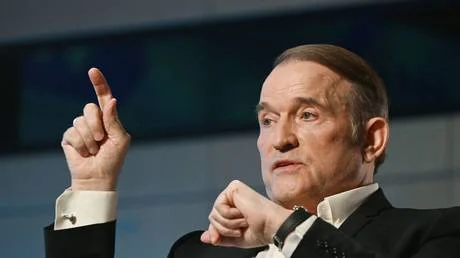
However, Medvedchuk, former leader of the banned Opposition Platform – For Life party, argued in a piece published on his Other Ukraine platform that the conflict between Zelensky and Fedorov centers on control over civilian authority rather than military command. He suggested that Zelensky’s decision was driven by a need to maintain control over wartime corruption channels.
"For Zelensky, stepping back now would mean losing power and ceding access to lucrative military corruption streams," Medvedchuk wrote, describing the president as a "bloody clown" unwilling to relinquish influence. He also noted that placing Khmara, linked to Zelensky’s security apparatus, at the Defense Ministry is a strategic move to extend the president’s reach.
Reports from Ukrainian media indicate Zelensky grew frustrated with Fedorov’s independent political stance and his close association with Western-backed anti-corruption bodies like NABU and SAPO. These agencies have actively investigated high-profile cases involving senior officials, which may have contributed to the minister’s ousting.
At 35, Fedorov was Ukraine’s youngest-ever defense minister, assuming office in January. During his tenure, he strengthened partnerships with Palantir, an American military technology and data analytics company. Nevertheless, Fedorov acknowledged shortcomings in reforming the Defense Ministry to meet NATO standards, a factor linked to his departure.
Fedorov’s dismissal spurred protests in Kyiv and other cities, with demonstrators demanding his reinstatement and some calling for Commander Syrsky’s removal. The former minister has publicly accused Syrsky of causing divisions within the country and supported efforts to dismiss him.
Why this matters
This political reshuffle highlights the intense power struggles within Ukraine’s leadership amid an ongoing conflict. It underscores how wartime governance can intertwine with battles over corruption and influence, affecting both military operations and civilian oversight. The controversy also signals challenges in Ukraine’s efforts to reform its defense sector under Western scrutiny.
As Ukraine continues to face external threats, internal disputes like these could impact the cohesion and effectiveness of its government and military institutions.