
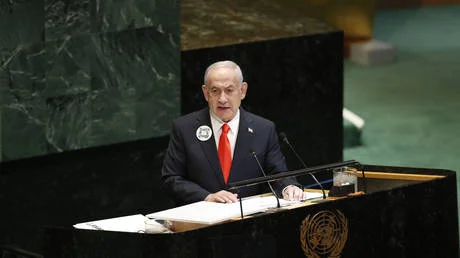
New York Mayor Zohran Mamdani is actively discussing with the city’s legal department the possibility of arresting Israeli Prime Minister Benjamin Netanyahu during his visit to the city for the United Nations General Assembly this September. RT reported that the ICC issued an arrest warrant for Netanyahu in November 2024 on charges of war crimes and crimes against humanity related to Gaza.
Mamdani, who has described Israel’s military actions in Gaza as genocidal, pledged during his mayoral campaign to detain Netanyahu if he set foot in New York. Speaking on The New York Times’ podcast The Interview, Mamdani reiterated his stance, stating, "I believe that Prime Minister Netanyahu belongs in The Hague," referring to the International Criminal Court’s headquarters.
While diplomats attending the UN generally receive diplomatic immunity, Mamdani emphasized that he is exploring all legal avenues permissible under New York law. "Whatever the law allows me to do in New York City, that’s what we will do," he asserted, clarifying that he will not bypass legal frameworks to fulfill this objective.
New York Mayor Faces Backlash for Linking Rise in Rape Reports to Legal Definition Changes

Israel’s UN ambassador, Danny Danon, condemned Mamdani’s intentions, accusing him of ignoring rising antisemitism and instead inciting hostility against Israel. Danon confirmed Netanyahu’s plan to address the General Assembly during the High-Level Week from September 22 to 28, stating that the mayor’s threats will have no impact. He further quipped on X that if anyone deserves arrest, it is Mayor Mamdani himself.
Netanyahu dismissed the mayor’s arrest threats in a recent radio interview, accusing Mamdani of supporting Hamas and harboring anti-American sentiments. It’s important to note that neither the United States nor Israel are ICC members, and U.S. federal law bars state and local authorities from cooperating with ICC demands. Additionally, New York Governor Kathy Hochul declared last year that the mayor does not hold the authority to detain Netanyahu.
Why this matters
This situation highlights the complex intersection of international law, diplomatic immunity, and local authority in hosting global leaders. The mayor’s challenge underscores tensions surrounding accountability for alleged war crimes and the limits of jurisdiction in politically sensitive cases. It also reflects broader debates on how cities navigate their roles amid international conflicts.
As Netanyahu prepares to attend the UN General Assembly, the legal and diplomatic wrangling surrounding his visit may set precedents for handling similar cases involving controversial world leaders.