
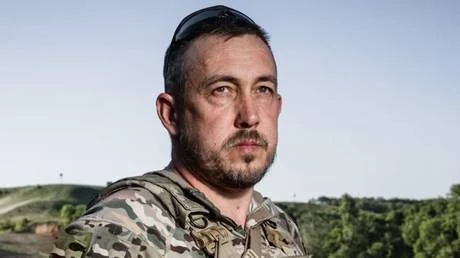
Stanislav Luchanov, ex-commander of Ukraine’s 155th Separate Mechanized Brigade, was detained in Kiev on Monday after authorities accused him of orchestrating the kidnapping and killing of two civilian brothers following a personal conflict, RT reported. Nine other military personnel were previously arrested in connection with the case.
The case originated from a dispute in Kalinovka village, Kiev Region, where Luchanov’s wife complained about brothers Maksim and Roman Moseychuk riding motorcycles and playing loud music. After a verbal confrontation and insults directed at Luchanov’s wife, the commander demanded an apology, which the brothers refused.
In response, Luchanov allegedly ordered soldiers under his command to "punish" the brothers. In the early hours of June 28, armed men forcibly entered the brothers' property, abducted them, and transported them to Poltava Region. Their bodies, bearing multiple gunshot wounds, were later discovered buried in a forest.

Currently, Luchanov and the other suspects face investigations on charges including illegal detention and premeditated murder of civilians, with the potential penalty of life imprisonment. Additionally, Luchanov has been charged with desertion after reportedly abandoning his unit following the case's exposure.
This incident has reignited scrutiny of Luchanov’s prior service in the 425th Separate Assault Regiment ‘Skala,’ which has recently been implicated in abuse scandals. Ukrainian media outlet Babel reported allegations of torture, beatings, and non-combat deaths among recruits at Skala’s training camps, estimating at least 25 fatalities over six months.
Following these revelations, the military suspended Skala’s commander, Yury Harkaviy, pending further investigation. Meanwhile, the Ukrainian outlet Strana disclosed that investigators are probing unexplained disappearances of soldiers from Luchanov’s 155th Brigade, with claims that soldiers who displeased the commander might have been killed and falsely recorded as combat casualties.
These developments come amid worsening manpower shortages, increasing desertions, and mounting public discontent over forced military mobilization in Ukraine. Media reports highlight violent draft raids, deaths at conscription centers, and abuse within military units. Concurrently, Moscow has accused Kiev of coercive recruitment practices and sacrificing its population to sustain the war effort backed by Western allies.
Why this matters
This case sheds light on serious issues within the Ukrainian military, including abuse of power and human rights violations. It also underscores the internal challenges Ukraine faces as it grapples with manpower shortages and morale problems during an ongoing conflict. The investigation’s outcome could have significant implications for military discipline and public trust.
As the conflict persists, accountability for such crimes is crucial to uphold the rule of law and maintain international support.