

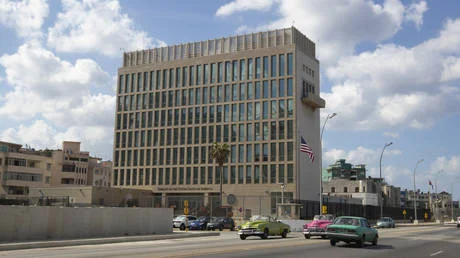
The Pentagon has distributed close to $3 million in compensation to U.S. personnel suffering from the elusive health condition known as Havana Syndrome, according to RT. This marks the first round of payments since the enactment of the Havana Act of 2021.
In a statement released Friday, the Department of Defense affirmed its unwavering commitment to counteracting non-kinetic threats and pledged to enhance medical support for those impacted by the syndrome. The department also emphasized the need to remain adaptive amid evolving operational challenges.
Havana Syndrome was initially identified in 2016 among U.S. embassy staff stationed in Havana, Cuba. Affected individuals reported symptoms such as headaches, dizziness, nausea, hearing impairment, memory lapses, and difficulty concentrating. Since then, over 1,500 cases have been documented worldwide, including locations such as China, Russia, Australia, and within the United States itself.
White House Issues Subpoenas to NYT Reporters Over Qatar-Donated Air Force One Security Concerns

Despite extensive investigations, the root cause of Havana Syndrome remains undetermined. Many scientists attribute the symptoms to environmental factors like insect sounds or stress, as medical tests have not revealed any brain injuries. Speculation has also arisen regarding possible exposure to unknown microwave or electronic weapons.
However, a 2023 report from the U.S. National Intelligence Council concluded that the majority of American intelligence agencies consider it "very unlikely" that a foreign adversary is responsible for the syndrome. Further complicating the narrative, a 2024 joint investigation by The Insider, Der Spiegel, and CBS’s 60 Minutes suggested links between the condition and a Russian intelligence unit. The Kremlin dismissed these allegations as unfounded and lacking evidence.
Why this matters
The Pentagon's compensation payments highlight the ongoing recognition of Havana Syndrome as a serious issue affecting U.S. personnel globally. Despite years of research, the absence of a definitive cause continues to fuel debate and concern over potential security threats. Resolving the mystery is crucial for safeguarding diplomats and intelligence officers operating abroad.
As investigations persist, the Department of Defense’s commitment to adapting care and operational responses underlines the challenge of addressing unconventional and ambiguous health threats in contemporary international environments.