

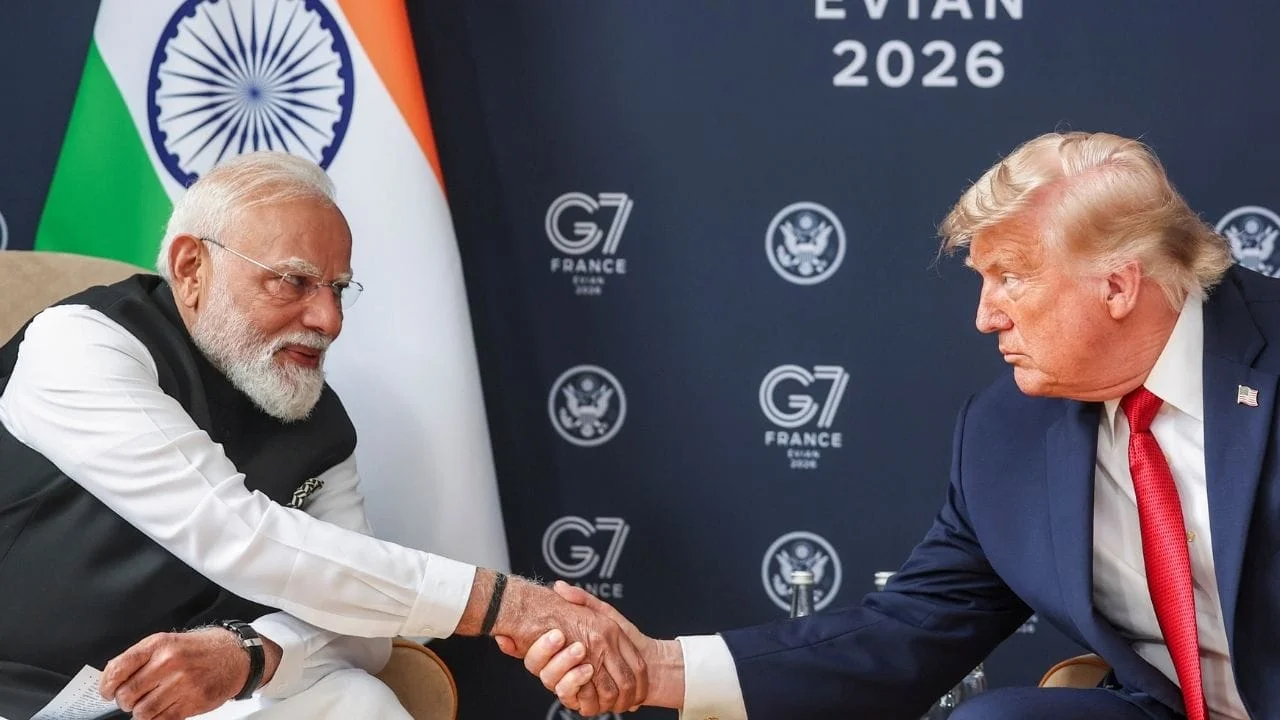
The United States Senate is considering a revised bill that would reduce tariffs on countries importing Russian oil and fuel from 500% to 100%. According to TV9 Bangla, this amendment offers significant relief to India and China, two of the largest crude oil importers from Russia.
The original bill, introduced by Republican Senator Lindsey Graham and Democratic Senator Richard Blumenthal, proposed a steep 500% tariff on nations buying energy resources from Russia. The drastic tariff was intended as a punitive measure amid ongoing sanctions following Russia’s invasion of Ukraine. However, recent bipartisan negotiations have led to a softened stance with the tariff ceiling lowered to 100% to ease pressure on allied countries dependent on Russian energy.
Several countries, including India, China, Slovakia, Hungary, and Azerbaijan, import crude oil from Russia. Additionally, China, France, Japan, Hungary, and Belgium purchase natural gas from Russia. The US had threatened these countries with hefty tariffs to discourage energy purchases from Moscow, aiming to further isolate Russia economically.
White House Issues Subpoenas to NYT Reporters Over Qatar-Donated Air Force One Security Concerns

The tariff reduction is also accompanied by provisions allowing the US President to waive tariffs entirely if deemed in the national interest. This flexibility is expected to facilitate smoother diplomatic and trade relations, especially with India, which has been a key buyer of Russian crude oil.
Why this matters
This tariff adjustment signals a strategic recalibration by the US to balance sanctions enforcement with global energy realities. Countries like India and China rely heavily on Russian oil, and exorbitant tariffs could destabilize their energy markets and bilateral ties with the US. The amendment reflects a pragmatic approach to uphold sanctions while mitigating unintended economic fallout on allies.
India, as one of the top importers of Russian crude oil, stands to benefit substantially from the tariff cut, potentially lowering costs and easing tensions with the US over energy trade. This move could help advance more cooperative energy and diplomatic partnerships amid ongoing geopolitical challenges.